NEWS AND BLOG

The next generation of onboard connectivity is already arriving on UK rail

Icomera's IcoShape data traffic management solution offers many benefits for passengers and operational systems. This photo shows a female passenger on a train using a laptop in the foreground. Another female passenger wearing headphones and using a phone is sitting in the seat opposite
  • Icomera has already trialled Wi-Fi 7 in passenger service with multiple UK rail operators, including the UK’s first real-world passenger trial of Wi-Fi 7 technology on a train. 
  • Recent UK testing combining 5G and Wi-Fi 7 delivered stronger and more stable Internet connectivity, and demonstrated the significant capacity available through Wi-Fi 7 onboard.
  • Together, 5G, Wi-Fi 7 and satellite connectivity can help unlock the next generation of connected services for passengers and operators. 

There has been significant discussion recently about the potential for satellite connectivity to transform the passenger experience on Britain’s railways. And rightly so. Adding new sources of connectivity can significantly increase the bandwidth available to a moving train. 

But satellite is only one part of a much bigger technology shift. 

Many UK trains are still using onboard connectivity technology installed several years ago, commonly relying on 4G cellular networks and earlier generations of Wi-Fi. As these systems are upgraded, the combination of 5G and Wi-Fi 7 creates the opportunity for a significant step forward in onboard connectivity, even before satellite is added to the mix. 

Over the past year, Icomera has already trialled Wi-Fi 7 in passenger service with multiple UK rail operators, including the UK’s first real-world passenger trial of Wi-Fi 7 technology on a train. 

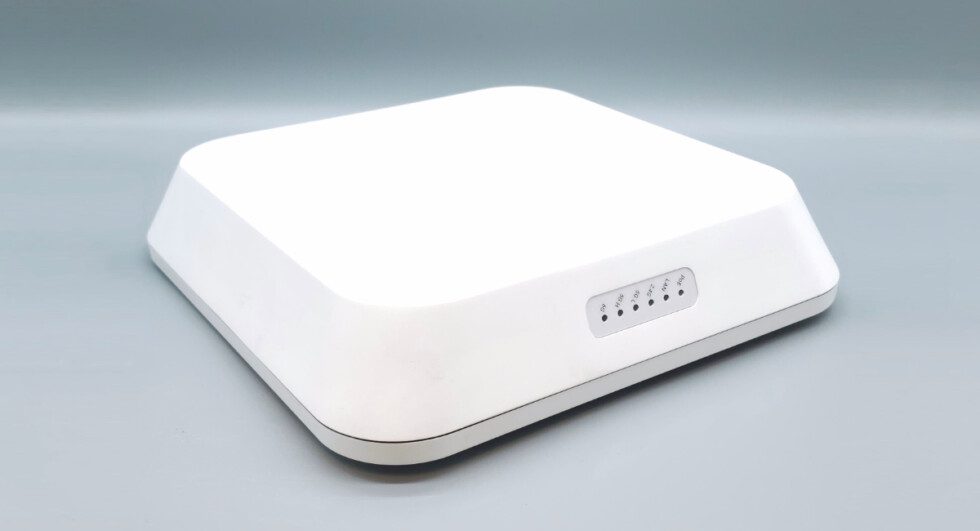
Wi-Fi 7 is the latest generation of wireless networking technology, designed to deliver greater capacity, efficiency and reliability, particularly in high-density environments. That makes it especially relevant to rail, where hundreds of passengers and their devices can be competing for connectivity simultaneously. Icomera introduced the A2 in 2023 as the world’s first rail-grade access point to support Wi-Fi 7.  

Putting 5G and Wi-Fi 7 to the test 

Those benefits are now being demonstrated in real-world UK rail environments. 

In one recent trial, Icomera upgraded the onboard connectivity solution with a 5G-enabled Icomera XS1 router and Icomera A2 Wi-Fi 7 access points. Compared with the previous 4G and Wi-Fi 5 installation, average Internet download performance was 43% higher across GPS-matched sections of the return journey, while peak download speeds more than doubled. 

The Wi-Fi 7 network demonstrated strong onboard performance, with local testing consistently delivering high throughput and reaching speeds of up to 1.66 Gbps. 

Of course, the Internet capacity available to a train ultimately depends on the external networks available along its route. As 5G, satellite and other connectivity sources bring more capacity to the train, the next challenge is making that capacity available effectively to everyone onboard. 

That is where Wi-Fi 7 becomes particularly important. Its greater capacity and more efficient use of the available spectrum mean more connected devices can make effective use of the available bandwidth at the same time. More available bandwidth is only useful if the onboard network can distribute it effectively among hundreds of connected passenger devices, particularly when trains are at their busiest. Read more about the features and benefits of Wi-Fi 7 for public transport. 

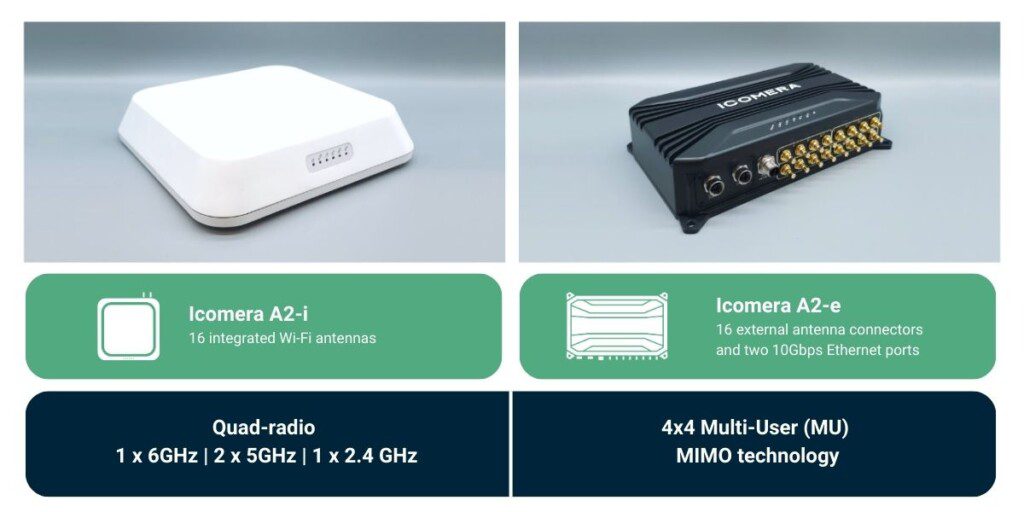
Icomera A2-i and A2-e

As Ali Hamza, Senior Professional Services Engineer at Icomera, observed during the UK testing: 

“It was markedly better. It just worked. The Wi-Fi worked the entire time. Where you’ll really notice the difference is during rush hour.” 

The bigger connectivity picture 

Passengers are the most visible beneficiaries, but greater onboard capacity can also support the growing number of operational and connected systems sharing a train’s communications infrastructure. 

And this is only part of what’s coming. 5G can provide substantially more capacity to the train. Wi-Fi 7 can help distribute that capacity effectively onboard. Satellite can add another powerful connectivity source alongside cellular and trackside networks. 

Taken together, these technologies point towards a significant leap forward in what onboard connectivity can deliver for Britain’s railways. 

Cookies Overview

When you visit the Icomera website, a cookie may be installed on your browser depending on your preferences. Cookies allow us to save preferences for you, so that you won’t have to re-enter them the next time you visit. Cookies also track and differentiate visits; these cookies enable us to measure traffic and improve the usability of the website.